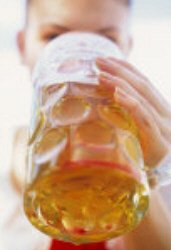
Facts About Breast feeding and AlcoholIt is best to avoid alcohol while caring for your baby though breast feeding and alcohol are NOT completely contradictory. Studies have shown that alcoholic beverages pass freely into the mother's milk and levels peak at around 30-60 minutes after intake or 60 to 90 minutes when drinking with food. The amount the mother consumes is associated with the effects on the breastfeeding baby. It takes 2 to 3 hours for a grown woman to pass one serving of beer or wine out of her body and as long as 13 hours to completely rid of high alcohol content beverages from the body. The more alcohol consumed, the longer it takes to pass from the body. Adult metabolism of alcohol is approximately 1 oz in 3 hours, so that mothers who ingest alcohol in moderate amounts can generally return to breastfeeding as soon as they feel normal. Alcohol does not become trapped in your breast milk and it will pass out of your breast milk at the same rate that it passes out of your blood at a rate of approximately 1 oz per 3 hours. Pumping and expressing breast milk will not empty or get rid of alcohol levels quicker nor will drinking water, coffee, or any other substance.
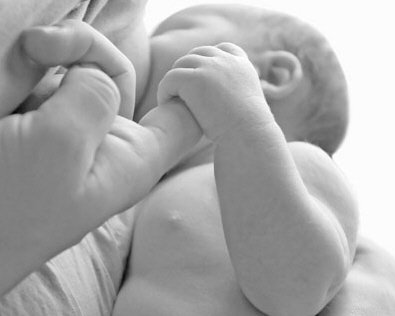
Breast feeding and alcohol abuse do not mix! Alcohol abuse and binge drinking can cause serious side effects in the baby such as failure-to-thrive and slow weight gain and can damage infant motor development.Breastfeeding mothers who frequently consume moderate-to-heavy alcohol levels may inhibit let-down, or milk-ejection reflex and restrict the amount of milk the baby gets. Is it safe to have an occasional drink?The American Academy of Pediatrics policy on breast feeding and alcohol consumption states that "Breastfeeding mothers should avoid the use of alcoholic beverages, because alcohol is concentrated in breast milk and its use can inhibit milk production. An occasional celebratory single, small alcoholic drink is acceptable, but breastfeeding should be avoided for 2 hours after the drink."It is considered safe for breastfeeding mothers to have an occasional drink. One or fewer alcoholic drinks per day is considered regular light drinking of and has not been found to be harmful to the breastfeeding baby While many mothers have chosen to have an occasional drink to calm their babies, studies prove that it produces the opposite effect and results in less sleep for the baby... which means less sleep for Mom. Breast feeding and Alcohol Consumption - IntoxicationA mother who has had enough alcohol to become intoxicated should wait until she feels sober and normal before nursing her baby. It is NOT advisable to become drunk while caring for a baby and breastfeeding. Pregnant women are generally advised to avoid alcohol entirely.

|